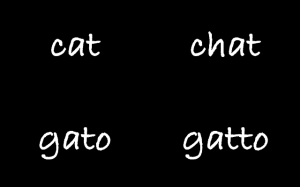
Scent in Other Languages


graphic from Ali Noel Vyain

This month’s cat vocabulary is scent. A very important thing to cats. They have an excellent sense of smell. Probably better than many humans. They can smell their prey, if they hunt. If not, then they smell their food. They even smell us and can learn what our unique smell is. Especially if our appearance changes too much for them to recognize us just by looking at us.

Saying Scent in European Languages (source)

Language Ways to say scent
Albanian: parfum
Basque: usaina
Belarusian: нюх
Bosnian: miris
Bulgarian: аромат
Catalan: olor
Croatian: miris
Czech: vůně
Danish: duft
Dutch: geur
Estonian: lõhn
Finnish: tuoksu
French: parfum
Galician: perfume
German: Duft
Greek: μυρωδιά(myrodiá)
Hungarian: illat
Icelandic: ilmur
Irish: boladh
Italian: profumo
Latvian: smarža
Lithuanian: kvapas
Macedonian: мирис
Maltese: riħa
Norwegian: duft
Polish: zapach
Portuguese: aroma
Romanian: aromă
Russian: нюх(nyukh)
Serbian: мирис(miris)
Slovak: vône
Slovenian: vonj
Spanish: olor
Swedish: doft
Ukrainian: нюх(nyukh)
Welsh: arogl
Yiddish: רייעך

Cat Quotes 2:10


graphic by Ali Noel Vyain

How we behave toward cats here below determines our status in heaven. —Robert A. Heinlein

I’m sure this is true. If we treat cats well and tend to their every need and whim, we’re sure to find a good status later on. If we treat them mean and are cruel to them, well good luck surviving your next life.

Cats know how to obtain food without labor, shelter without confinement, and love without penalties. —W. L. George

They are charmers. That’s how they get what they need without working for it. They know they are adorable and we will fall for it every single time. They get us to love them and we do without fail. Even when they sneak out of the house to have an adventure without us. Then they come home as if nothing happened.

Whisker in Other Languages


graphic from Ali Noel Vyain

This month’s cat vocabulary is the word whisker. A very important thing to a cat. Probably helps them maintain their balance anywhere they might be walking. They are also an attractive looking feature to any cat.

Saying Whisker in European Languages (source)

Language Ways to say whisker
Albanian: mustaqe
Basque: whisker
Belarusian: бакенбарды
Bosnian: dlaka
Bulgarian: мустак
Catalan: bigoti
Croatian: dlaka
Czech: Whisker
Danish: bakkenbart
Dutch: snorhaar
Estonian: põskhabe
Finnish: parta
French: Moustache
Galician: suízas
German: Whisker
Greek: γενειά(geneiá)
Hungarian: darukar
Icelandic: Whisker
Irish: whisker
Italian: baffo
Latvian: ūsas
Lithuanian: siūlinis kristalas
Macedonian: мустак
Maltese: whisker
Norwegian: værhår
Polish: Wąsy
Portuguese: Bigode
Romanian: mustăţi
Russian: бакенбарды(bakenbardy)
Serbian: длака(dlaka)
Slovak: chlp
Slovenian: Dlak
Spanish: Bigote
Swedish: morrhår
Ukrainian: бакенбарди(bakenbardy)
Welsh: trwch blewyn
Yiddish: ווהיסקער

Cat Quotes 2:09


graphic by Ali Noel Vyain

Meow is like aloha—it can mean anything. —Hank Ketchum

It only sounds like meow to us humans. There are subtle nuances to every meow we hear unless the cat is repeating the same syllable to a human who just doesn’t understand more complex sentences they can speak among themselves.

As every cat owner knows, nobody owns a cat. —Ellen Perry Berkeley

This is very true. If you ask any cat they will tell you bluntly that you can never ever own one of them. I don’t even try to own one. I just live with them.

Claw in Other Languages


graphic from Ali Noel Vyain

This month’s cat vocabulary is the word claw. An important item to any cat. They spend lots of time grooming and sharpening them for use. We hope as pampered house cats they won’t need them as much as they would if they were fending for themselves outside.

Having claws ensures they will stop when they jump up to a high place. And if we tell them their claws are too sharp and hurt us, they learn to keep them retracted when they play with us.

Saying Claw in European Languages (source)

Language Ways to say claw
Albanian : thua
Basque: atzapar
Belarusian: кіпцюр
Bosnian: kandža
Bulgarian: нокът
Catalan: urpa
Croatian: kandža
Czech: dráp
Danish: klo
Dutch: klauw
Estonian: küünis
Finnish: kynsiä
French: griffe
Galician: garra
German: Klaue
Greek: δαγκάνα(dankána)
Hungarian: karom
Icelandic: Kló
Irish : claw
Italian: artiglio
Latvian: ķetna
Lithuanian: letena
Macedonian: ноктот
Maltese: irkupri
Norwegian: klo
Polish: pazur
Portuguese: garra
Romanian: Gheară
Russian: коготь(kogot’)
Serbian: канџа(kandzha)
Slovak: pazúr
Slovenian: krempelj
Spanish: garra
Swedish: klo
Ukrainian: кіготь(kihot’)
Welsh: grafanc
Yiddish: קרעל

Cat Quotes 2:08


graphic by Ali Noel Vyain

The mathematical probability of a common cat doing exactly as it pleases is the one scientific absolute in the world. —Lynn M. Osband

Cats don’t have to worry about much of anything especially when they have a human to provide them lots of food. So, they know they are safe and cared for. Ergo, they can afford to do as they please.

Cats do not have to be shown how to have a good time, for they are unfailing ingenious in that respect. —James Mason

Yes, they know to sleep when they are tired. To eat when they are hungry. And to play as much as possible, even if it means driving us crazy as they do so.

Paw in Other Languages


graphic from Ali Noel Vyain

This month’s cat vocabulary is the word paw. Cats usually have four to work with. They tend to fall and flip themselves over to land on all four. Or however they do it. Once I saw Sir Socks jump over me as I was lying on a twin sized bed to see him just before he landed in a half sitting half standing position that cats do. His fur was blown back by the wind.

He was always quite graceful whenever he jumped. It’s amazing to watch him in action.

Saying Paw in European Languages (source)

Language Ways to say paw
Albanian: dorëshkrim
Basque: paw
Belarusian: лапа
Bosnian: šapa
Bulgarian: лапа
Catalan: pota
Croatian: šapa
Czech: tlapka
Danish: pote
Dutch: poot
Estonian: käpp
Finnish: tassu
French: patte
Galician: pata
German: Pfote
Greek: πόδι ζώου(pódi zóou)
Hungarian: mancs
Icelandic: Paw
Irish : lapa
Italian: zampa
Latvian: ķepa
Lithuanian: letena
Macedonian: шепа
Maltese: paw
Norwegian: labb
Polish: łapa
Portuguese: pata
Romanian: labă
Russian: лапа(lapa)
Serbian: шапа(shapa)
Slovak: labka
Slovenian: tačk
Spanish: pata
Swedish: Tass
Ukrainian: лапа(lapa)
Welsh: paw
Yiddish: לאַפּע

Love in Other Languages


graphic from Ali Noel Vyain

This month’s cat vocabulary is the word love. One of the most important things in anyone’s life. It doesn’t matter if you’re human or a cat or anything else. None of us can live without love. Especially after ill treatment.

Love cures most ills and cats know this very well. They have shown me over the years how important love is. I am forever grateful to them for that.

Saying Love in European Languages (source)

Language Ways to say love
Albanian: dashuri
Basque: maite
Belarusian: каханне
Bosnian: ljubav
Bulgarian: обичам
Catalan: amor
Croatian: ljubav
Czech: milovat
Danish: elsker
Dutch: liefde
Estonian: armastus
Finnish: rakkaus
French: amour
Galician: amor
German: Liebe
Greek: αγάπη(agápi)
Hungarian: szerelem
Icelandic: Ást
Irish: grá
Italian: amore
Latvian: mīlestība
Lithuanian: meilė
Macedonian: љубов
Maltese: imħabba
Norwegian: kjærlighet
Polish: miłość
Portuguese: amor
Romanian: dragoste
Russian: люблю(lyublyu)
Serbian: љубав(ljubav)
Slovak: milovať
Slovenian: ljubezen
Spanish: amor
Swedish: kärlek
Ukrainian: любов(lyubov)
Welsh: cariad
Yiddish: ליבע

Cat Quotes 2:07


graphic by Ali Noel Vyain

Cats’ hearing apparatus is built to allow the human voice to easily go in one ear and out the other. —Stephen Baker

It would certainly appear so. But don’t be fooled. Cats might just be ignoring you. Or perhaps they didn’t like what you said to them. Sometimes it’s just hard to judge their reactions to us all the time.

Prowling his own quiet backyard or asleep by the fire, he is still only a whisker away from the wilds. —Jean Burden

I can’t say I understand why some people insist cats are domesticated. They aren’t. They have fooled you if you believe it. My cat son adored me and seemed very tamed. That is until he hid in the grass as the big cats do.

Furever Human


graphic from Ali Noel Vyain

This month’s cat vocabulary is a term from Twitter known as furever human which means the human a cat gets to live with for the rest of their lives after living in a shelter.

Cats tend to get excited when they meet their furever human or even humans. They just know when they smell us. When they see us. They try to get our attention to let us know they know. Or at least it’s something like that. When I met Nuri for the first time, she was in a shelter. She was off by herself. I saw her alone. So, I walked over to her and as soon as my shadow fell over her, she looked up and started talking to me.

It doesn’t matter what she was telling me at the time. It was as if she knew who I was to her. She was just having a causal chit chat with a friend. I picked her up briefly and she didn’t complain.

When I was asked later which cat I wanted, I asked for her. She came home with me and that was that. Yes, it still took her time to adjust to her new home. It took us time to get used to each other.

We’ve been happy ever since.

Website Powered by WordPress.com.

Up ↑

Design a site like this with WordPress.com
Get started